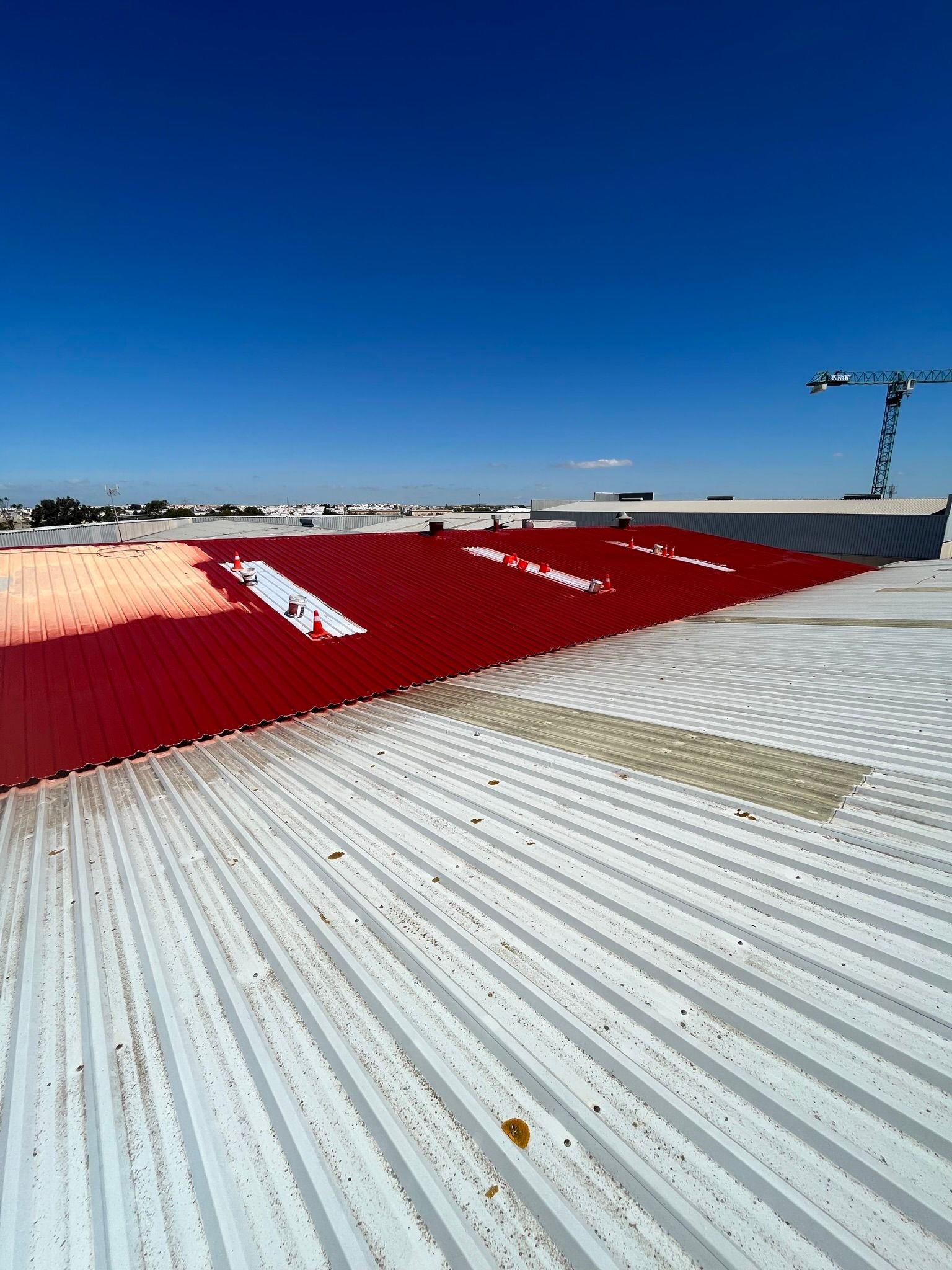
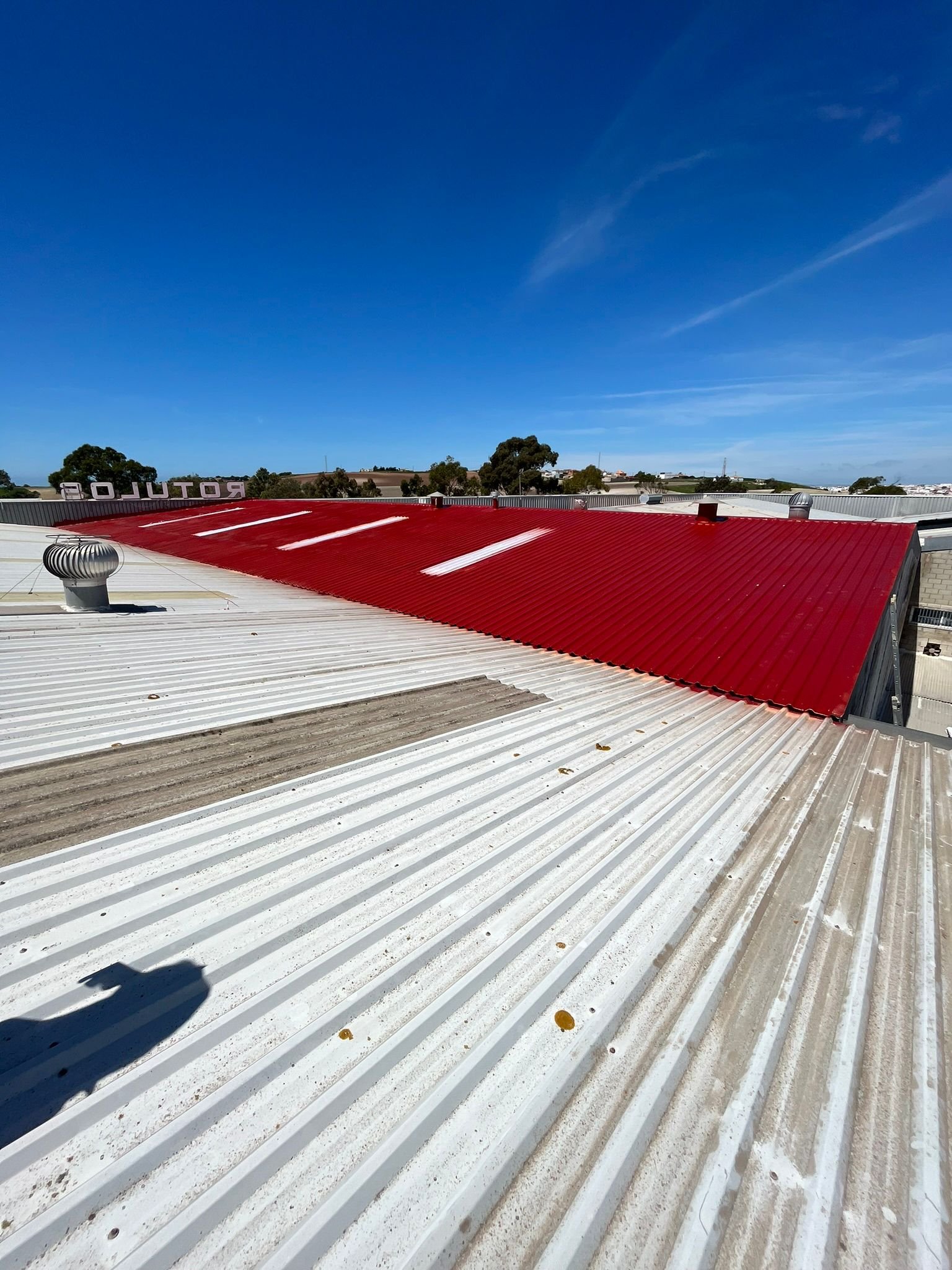
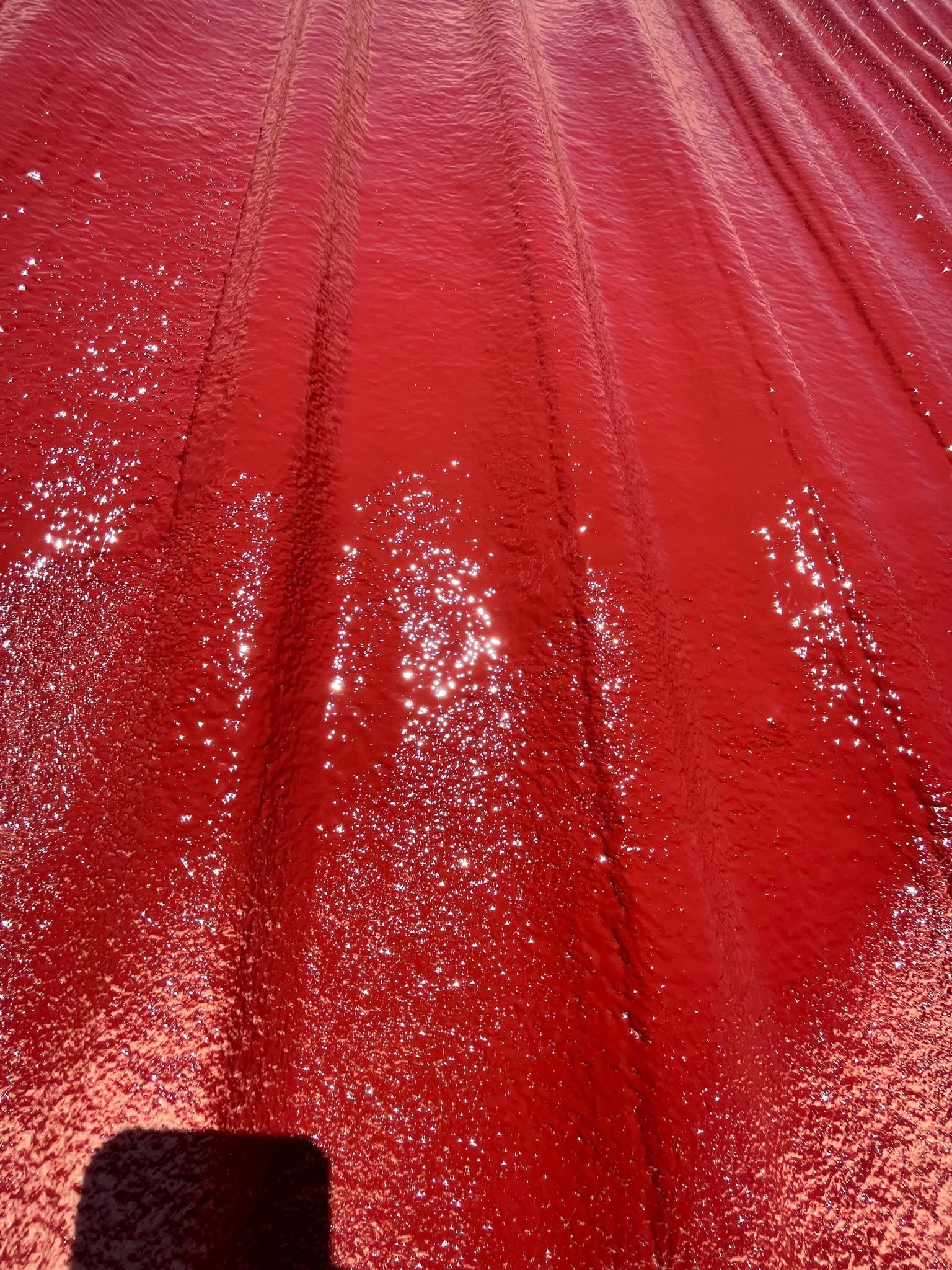
We protect roofs, terraces and other surfaces against water. We select the membrane, thickness and finish for the substrate, exposure and use to address leaks and restore watertightness.
Two waterproofing techniques
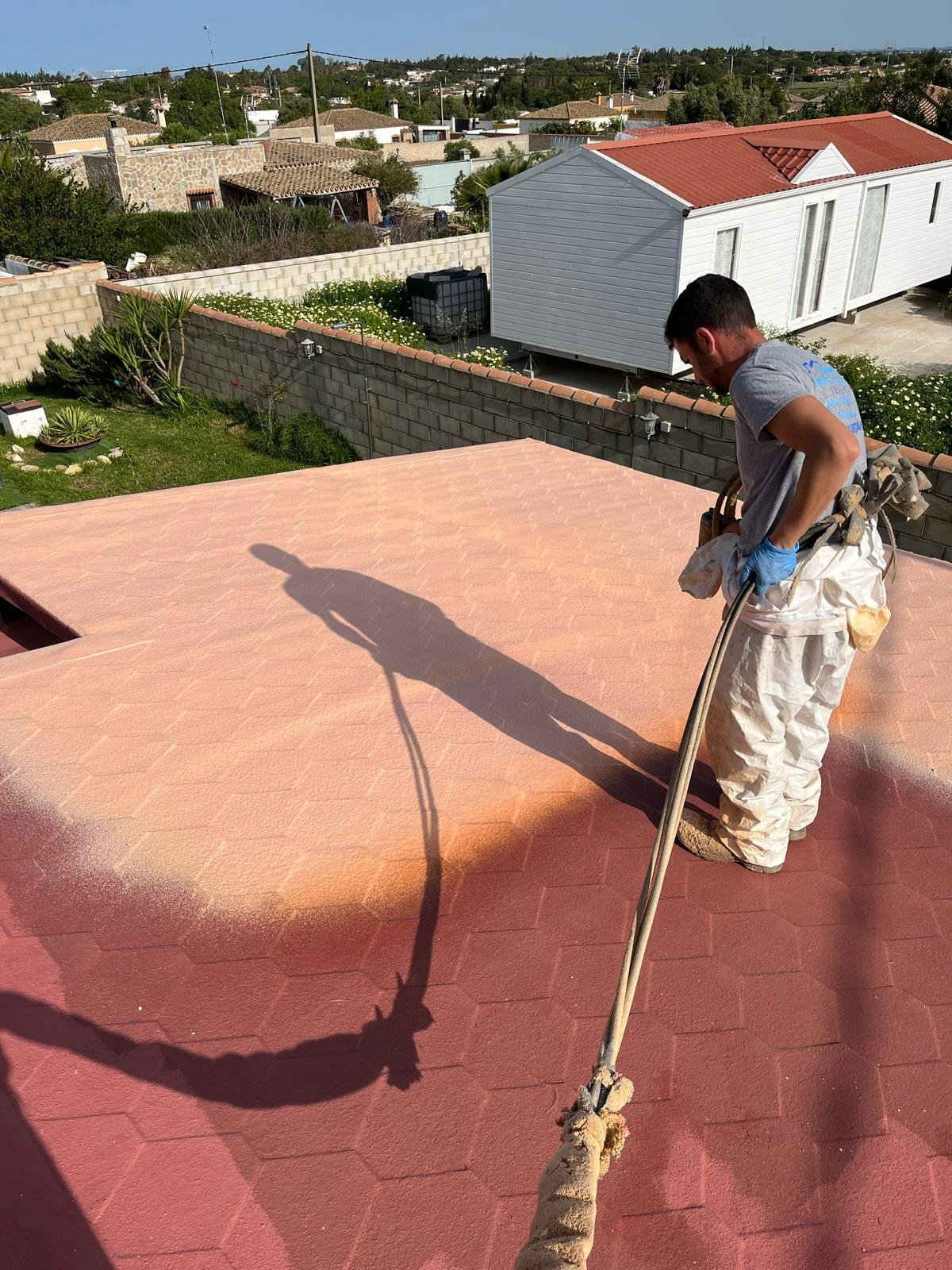
Liquid polyurethane membrane
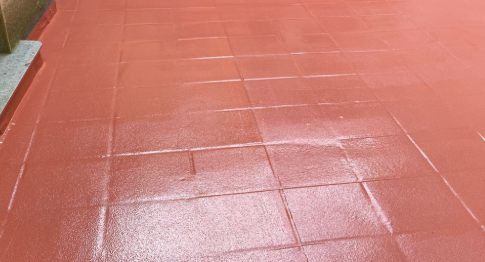
Applied to a prepared substrate, it cures into a flexible, continuous film. Cold-applied systems can use a roller, brush or equipment suitable for the product. They accommodate details, junctions and irregular surfaces, with reinforcement where the system requires it.
Hot-sprayed polyurea
Specialist equipment heats and meters two components, which react on mixing to form a bonded membrane rapidly. Efficient spraying suits large areas and projects where reducing application time matters. Return to service depends on the complete system and site conditions.
Problems we help resolve
Leaks and water ingress
We restore waterproofing continuity after identifying the source of water ingress and repairing damaged areas.
Junctions and details
Drains, upstands, service penetrations and connections receive specific treatment to address common entry points.
Cracks and movement
Elasticity can accommodate movement within the system’s limits. Expansion joints and structural cracks need dedicated treatment.
Worn existing protection
We assess refurbishment of ageing membranes and finishes. Existing layers can remain only where their condition and compatibility allow.
Where it can be used
Flat and pitched roofs, terraces, balconies and industrial or agricultural roofs. Concrete, mortar, metal, tiles and protected insulation can be assessed, with compatible preparation and a suitable system.
Tanks, pools, vehicle traffic and chemical exposure require systems specifically suitable for those uses. Permanent immersion and contact with drinking water require verification of the product’s documentation.
Benefits of continuous membranes
- A continuous membrane that follows complex shapes and details.
- Flexibility to accommodate permitted substrate movement.
- Fast polyurea spraying, while observing each stage’s timing requirements.
- Potential to refurbish existing surfaces where their condition permits.
- Finishes selected for sunlight, wear or slip resistance as required.
Preparation and application
We check the source of leaks, falls and drainage. We prepare the substrate, repair defects and complete details before applying primer and membrane. Application conditions and thickness are controlled, followed by the specified protective finish.
A membrane alone does not correct inadequate falls, condensation or rising damp. UV protection, traffic suitability and return-to-service times depend on the system. Inspections and clear drains help maintain performance.
Tell us what needs waterproofing
Tell us the location, approximate area and where leaks appear. We prepare a proposal and quotation for work in Spain and abroad.
Request a technical assessment